Carmel Valley vs Monterey Climate: Which Fits Your Life?
May 28, 2026
May 28, 2026
If you are choosing between Carmel Valley and Monterey, the biggest difference is not just price or home style. It is how each place feels when you wake up, drive through town, and spend your free time. When you understand the microclimate, recreation, school structure, and daily rhythm of each area, your decision gets much easier. Let’s dive in.
If you want a simple way to think about it, Carmel Valley usually feels sunnier, warmer in the afternoon, and more inland. Monterey usually feels cooler, more influenced by marine air, and more connected to coastal living.
That does not make one better than the other. It means the right choice depends on how you want your day-to-day life to look. Some buyers want open space and warmer afternoons, while others want bay access and a more walkable coastal routine.
Carmel Valley sits inland in a northwest-southeast valley shaped by coastal-range ridges. Monterey County planning documents describe it as a mostly rural-residential area within the Carmel River watershed, with elevations ranging from near sea level on the valley floor to more than 2,000 feet on nearby ridgelines.
That geography matters because it helps create a Mediterranean climate with warm, dry summers and mild, rainy winters. Daily weather is influenced by both the ocean and the interaction between maritime and continental air masses.
NOAA-based climate normals show that Carmel Valley is noticeably warmer by day than Monterey’s coast. At the Carmel Valley station, average highs reach 77.2°F in June and 81.4°F in September. At Monterey Peninsula Airport, the comparable average highs are 68.5°F in June and 71.6°F in September.
Carmel Valley can also get cooler at night during winter. In January, the average low is 40.0°F in Carmel Valley compared with 43.1°F at Monterey Peninsula Airport. If you like warm afternoons but do not mind cooler evenings in the colder months, that pattern may suit you well.
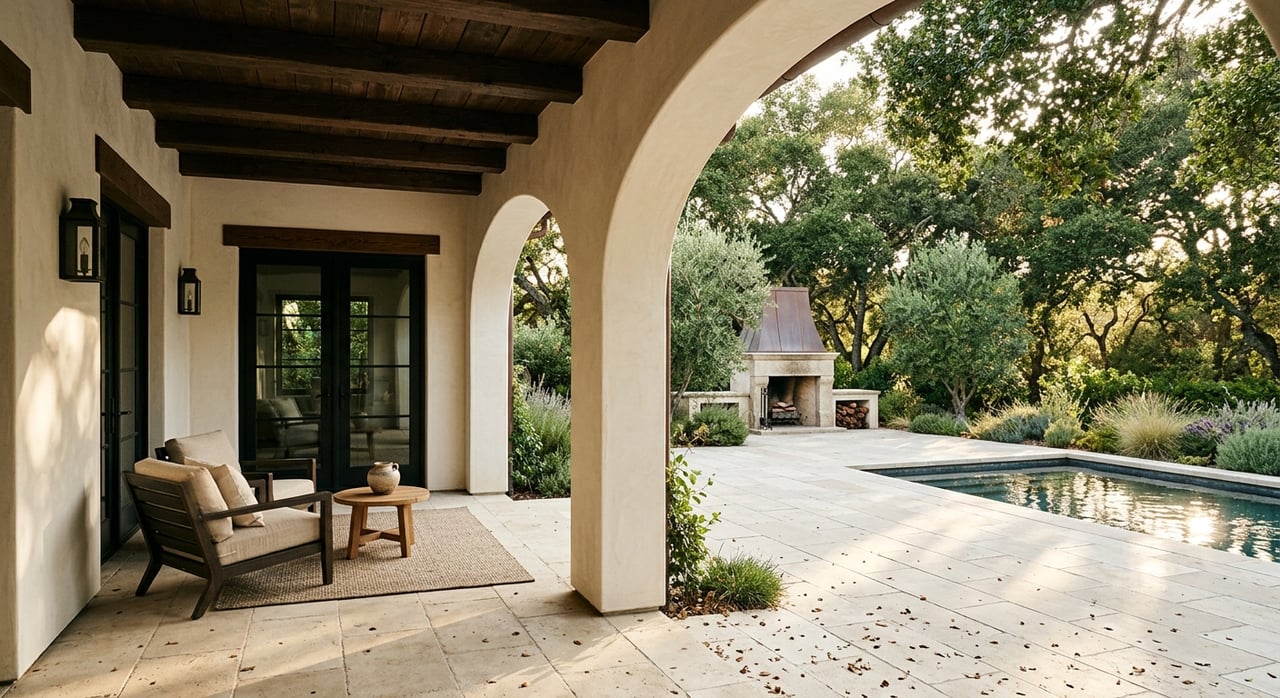
In practical terms, Carmel Valley often gives you more sunshine and a stronger inland feel. You may notice warmer patios, brighter afternoons, and a greater sense of separation from the coastal marine layer.
For many buyers, that weather pattern becomes a lifestyle feature. It can shape everything from how often you use your outdoor space to what time of day you enjoy walking, entertaining, or heading out on local trails.
Monterey has a different rhythm. Its climate is shaped by cooler ocean air and marine fog, which is one of the defining features of life near Monterey Bay.
NOAA’s Coast Pilot for Monterey Bay says sea fog is a problem from about July through September. During the heaviest fog period, visibility can drop below half a mile on 4 to 8 days per month, with poor conditions on 10 to 15 days per month over the bay and exposed coasts.
That coastal influence helps keep temperatures milder. NOAA reports an average annual temperature of 57°F in Monterey and annual precipitation of 18.6 inches.
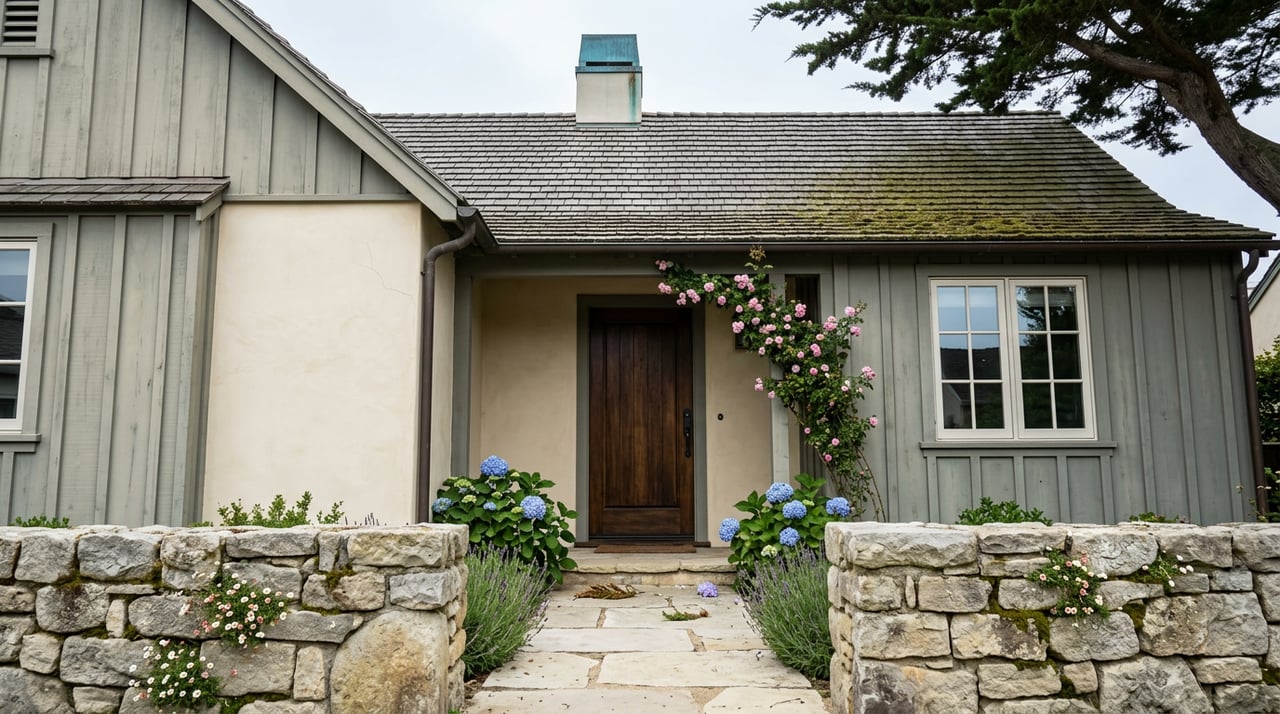
Monterey often feels cooler, breezier, and more marine-layer influenced than Carmel Valley. If you enjoy the look and feel of a coastal climate, that can be a major draw.
Some buyers love the soft, cool mornings and the easy access to the bay. Others find that they prefer the extra warmth and sun farther inland. This is why a side-by-side tour on the same day can be so helpful.
Weather is only part of the story. The larger question is how each place supports the way you want to spend your time.
Carmel Valley leans toward an inland, open-space lifestyle. Monterey leans toward a coast-centered routine with stronger ties to waterfront access, mixed-use areas, and city connections.
Carmel Valley’s recreation pattern is closely tied to open land, scenic drives, and trail access. Garland Ranch Regional Park is one of the area’s signature assets, and Monterey County planning documents also note golf, tennis, scenic views along Carmel Valley Road and Laureles Grade, and the Carmel River running through the planning area.
That creates a setting many buyers describe as more rural-feeling or semi-rural. You may find that daily life involves more driving, more space between properties, and a stronger connection to hillsides, valley views, and outdoor recreation inland.
Monterey’s recreation is much more coast-centered. California State Parks describes Monterey State Beach as three stretches of sand between Monterey and Seaside, and Monterey Bay National Marine Sanctuary highlights tide pools, coastal wetlands, kelp forests, and the deep submarine canyon offshore.
The City of Monterey’s general plan also emphasizes bay access and pedestrian and bicycle connections to the waterfront. That can translate into a lifestyle that feels more connected to beaches, shoreline paths, and urban coastal amenities.
Your preferred home type may also point you toward one area over the other. Carmel Valley and Monterey are shaped by very different land-use patterns.
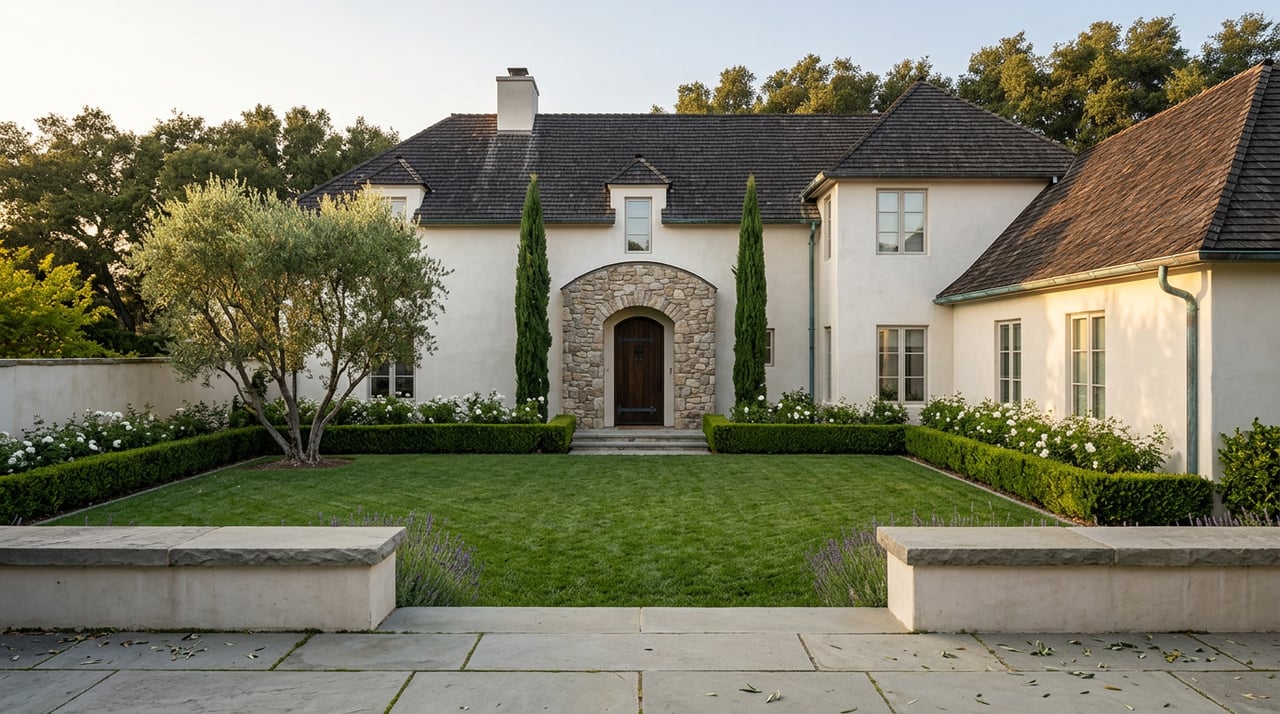
Monterey County planning documents describe Carmel Valley as primarily rural-residential, with small-scale agriculture and some condominium and visitor-accommodation uses. In many cases, buyers there are looking for lower-density residential settings and more dispersed single-family homes.
Monterey’s general plan reflects a more urban pattern. Future growth is directed toward mixed-use neighborhoods like Downtown and East Downtown, Cannery Row and Lighthouse Avenue, and North Fremont, with an expectation that much of the city’s remaining housing growth will be higher-density, including cluster or apartment forms.
If you picture a home search centered on lower-density surroundings and a more inland setting, Carmel Valley may feel like the stronger fit. If you want a broader mix of housing that includes older single-family neighborhoods, condos, and higher-density options in more urban areas, Monterey may offer more of what you want.
This distinction can be especially important if you are relocating and trying to match your home style with your daily routine. The house itself matters, but so does what surrounds it once move-in day is over.
Carmel Valley and Monterey also differ in how daily movement works. That can affect your decision as much as weather or recreation.
Carmel Valley’s principal access routes include Carmel Valley Road from Carmel and Monterey and Laureles Grade from Salinas. Monterey County notes that Carmel Valley Road is the principal arterial and that some segments operate below desired capacity.
Public transit is available, but the transportation pattern remains more road-based and spread out. County sources note that bus service has operated between Highway 1 and Carmel Valley since 1979, and MST Route 24 serves SR 1 and Carmel Valley Road from Monterey through Carmel Valley.
Monterey’s planning framework is more transit- and bicycle-oriented. The city says certain mixed-use neighborhoods are designed to be served by transit and bike routes and are estimated to generate at least 30% fewer automobile trips than comparable development elsewhere in the city.
If you are comfortable with more driving in exchange for space and warmer afternoons, Carmel Valley may feel worthwhile. If you want a routine that supports more local access by foot, bike, or transit in certain areas, Monterey may feel more convenient.
This is one of the most overlooked parts of a home search. Buyers often focus on the house first, then realize later that the daily route to errands, recreation, or work has a major impact on quality of life.
For buyers paying close attention to school logistics, the key difference is district size and geography. The comparison is less about labels and more about how each district is structured.
Carmel Valley is part of Carmel Unified School District, which spans Pebble Beach, Carmel-by-the-Sea, Carmel Valley, and Big Sur. The district’s listed schools include Tularcitos Elementary in Carmel Valley, Carmel River Elementary in Carmel, Captain Cooper Elementary in Big Sur, Carmel Middle School, Carmel High School, and Carmel Valley High School as the continuation high school.
Monterey is part of Monterey Peninsula Unified School District, which serves Monterey, Marina, Seaside, Del Rey Oaks, and Sand City. The California Department of Education reports 2025-26 enrollment of 9,861 students, and the district states that students are assigned to a home school by street address.
In broad terms, Carmel Valley is the smaller-district option tied to a narrower geography. Monterey is part of a larger district with more schools and address-based assignment logistics.
If schools are an important part of your search, it helps to confirm attendance and enrollment details early. That step can keep your home search aligned with the areas you are seriously considering.
The best choice usually comes down to what you value more in everyday life. Carmel Valley and Monterey each offer a strong sense of place, but they serve different preferences.
Here is a simple framework to use as you compare the two.
On paper, both areas may look close together. In real life, they can feel very different from one afternoon to the next.
That is why local guidance matters. A neighborhood tour that compares sunlight, temperature, access, home styles, and daily rhythm can tell you much more than a map ever will.
If you are weighing Carmel Valley versus Monterey, the goal is not to find the objectively better choice. The goal is to find the place that fits your lifestyle, comfort, and priorities with the least amount of compromise.
If you want help comparing homes, neighborhoods, and day-to-day tradeoffs across the Monterey Peninsula, connect with Maria Finkle for thoughtful, local guidance tailored to your goals.
Stay up to date on the latest real estate trends.
Our team is renowned in the Real Estate community for consistently going the extra mile throughout every transaction. With a deep and unwavering passion for the industry and our clients, they take immense pride in exceeding client expectations. Their expanding customer base stands as a testament to their relentless focus on fulfilling client wants and needs, always putting them at the forefront of every endeavor.