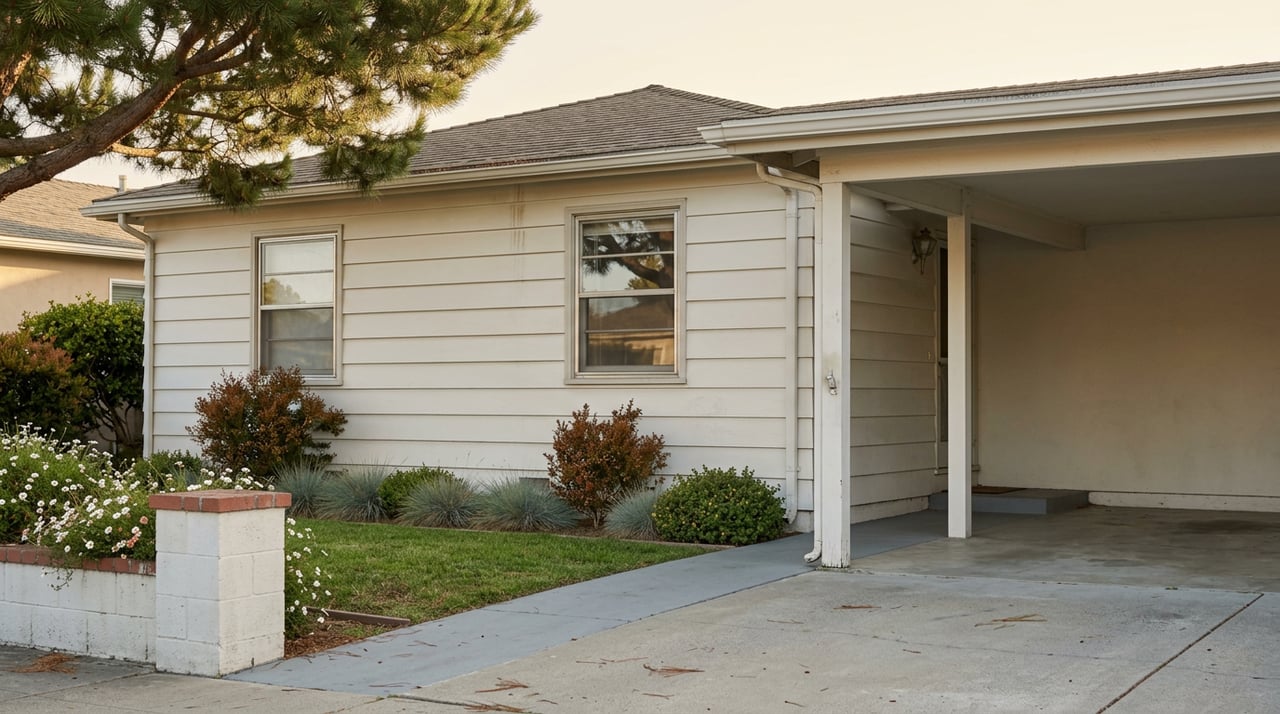
A Local Guide to Seaside CA’s Food Scene and Favorites
August 27, 2026
August 27, 2026
Drive down Broadway in Seaside and you will pass a plain cement and corrugated metal building with no sign out front. Nothing about the exterior suggests you should stop. That building holds Maligne, the restaurant that picked up a Michelin Bib Gourmand distinction in 2023 and still carries it in the 2026 Michelin Guide USA. Most towns that land a Michelin nod treat it as an invitation to raise prices, lean on the pedigree, and turn the dining room into a destination for people driving in from somewhere else. Chef Klaus Georis did the opposite. He closed the restaurant for a stretch in March 2023, right after opening, and reopened it cheaper, more casual, and built for the neighborhood it sits in.
That choice is the real story here, and it explains more about how Seaside works than any single restaurant review could.
Georis is not a stranger to fine dining. He started at San Francisco's three-Michelin-starred Quince at nineteen, later worked at Atelier Crenn and at In de Wulf in Belgium, and comes from a family that turned Casanova, Corkscrew Cafe, and Georis Winery into fixtures in Carmel and Carmel Valley. He had every credential to open something expensive and exclusive. Instead, when Maligne opened in the summer of 2022, he built a hearth-driven, seafood-centered menu in a town known more for big-box retail than upscale dining, and then when the early response was uneven, he adjusted.
The March 2023 reopening added lunch service, an oak-fired oven, and backyard seating. It shifted the restaurant toward what Georis has described as an approachable, neighborhood bistro feel rather than a formal tasting-menu experience. He has said plainly that the goal was an experience for around fifty dollars, not the three-hundred-dollar tab that usually comes with Michelin attention. The Michelin inspectors, for their part, called it a "good quality, good value" kitchen when they gave it the Bib Gourmand, which is the designation reserved specifically for places that deliver serious cooking without the fine-dining price tag.
The plates back up the pitch. Black cod comes served over asparagus from Violini Ranch with a hollandaise made from eggs sourced at Bee LaForte Farm. The raw bar runs oysters, lobster roll, and crab claws from Maine alongside prosciutto prawns in spiced tomato sauce. Thomas Keller, by most accounts, is a regular fan of the place. None of that required Seaside to become something it wasn't. Georis built a restaurant that fit the town, not a town that had to grow up to fit the restaurant.
You can reserve a table through Maligne's own site, and the Michelin Guide's page on the restaurant still carries the original inspector notes if you want the full read. Edible Monterey Bay covered the Bib Gourmand announcement in depth and is worth a look if you want the longer version of how Georis talks about the decision. SFGate profiled the restaurant as an outlier in a town it described as known more for chain stores than tasting menus, which is exactly the contrast that makes the story land.
Once you notice the pattern at Maligne, it turns up everywhere else in Seaside. The city's outdoor spaces are not dressed up for visitors. They are built and maintained for the people who already live near them, and the accessibility shows in the smallest details.
Frog Pond Wetland Preserve, tucked off Canyon Del Rey Road, is a seventeen-acre freshwater wetland with no visitor center and no admission fee. Parking is on the road shoulder. The loop trail runs about three-quarters of a mile, has benches along the way, and passes through habitat for frogs, deer, hummingbirds, towhees, and western fence lizards under a canopy of Coast Live Oak, Arroyo Willow, and Monterey Pine. It is open six in the morning to six at night, every day, and it stays that unassuming on purpose. It was never built to be a tourist stop. It was built to be the place a few blocks from home where you walk the dog before work.
Laguna Grande Regional Park operates on the same logic, just with more paperwork behind it. The city's own General Plan designates the Seaside portion of the park at 10.73 acres and notes that it accounts for 29.3 percent of the city's traditional park facilities, a figure that only shows up because Seaside tracks its green space in percentages rather than marketing copy. What that acreage gets you is a paved path around the perimeter of Laguna del Rey, picnic tables for more than 300 people, barbecue areas, a playground, and enough open lawn to host the events that keep landing there year after year. You can find the city's official page on Laguna Grande here.
Earlier this summer, that same park hosted the 10th Annual Palenke Arts Festival on June 7 and the 7th Annual Monterey County Juneteenth Jubilee on June 13, both free and both now recurring fixtures on the city calendar. Neither event needed a gate fee or a corporate sponsor banner to draw a crowd. They just needed the park to already be there, already free, and already central enough that people would show up.
If you have not been paying attention to the calendar, here is what is left on it for Seaside residents before the year turns:
None of these charge admission. None of them are designed to pull in weekend tourists from Carmel or Pebble Beach. They are civic events, funded and run by the city, for the people who already live inside its limits. That is a different posture than most Peninsula towns take with their public calendar, and it is consistent with everything else Seaside does with its space, from the unmarked front of Maligne to the roadside parking at Frog Pond.
Cardinale Stadium fits the same mold in a louder register. It is home turf for Monterey Bay FC, and on match days the crowd is mostly local, mostly walking distance, and mostly there because the stadium is theirs, not because it is a destination. Bayonet and Black Horse Golf Course, on the other end of town, runs the same way: a serious course that locals play regularly rather than a resort property built for out-of-town guests.
Put it together and a Seaside weekend looks something like this. Walk the loop at Frog Pond in the cool part of the morning, before the wind picks up off the bay. Spend the afternoon at Laguna Grande, whether that means the paved path, a picnic table, or whatever free event happens to be on the lawn that week. In the evening, get a table at Maligne, book ahead through Tock since the dining room is small, and expect to spend closer to fifty dollars than three hundred for a meal that a Michelin inspector took seriously enough to write up.
None of that requires Seaside to perform for anyone. The restaurant did not raise its prices to match its reputation. The parks did not add gates or fees to match their popularity. The city calendar did not start charging for the Labor Day concert once it started drawing a bigger crowd. The pattern holds because the town built its version of a good life around its own residents first, and let outside attention catch up on its own terms.
If you are already living here, none of this is a surprise. It is just useful to have the shape of it written down, especially now that people outside the Peninsula are starting to notice what you already knew about your own town.
Curious how Seaside's steady, resident-first character shows up in what homes here actually sell for, or thinking about your own next move on the Peninsula? The Finkle Team knows this stretch of coast block by block. Request your complimentary home valuation and get a conversation grounded in the same local detail you just read.
Stay up to date on the latest real estate trends.
Our team is renowned in the Real Estate community for consistently going the extra mile throughout every transaction. With a deep and unwavering passion for the industry and our clients, they take immense pride in exceeding client expectations. Their expanding customer base stands as a testament to their relentless focus on fulfilling client wants and needs, always putting them at the forefront of every endeavor.