Monterey Historic Homes: Styles, Costs, and Buyer Considerations
July 16, 2026
July 16, 2026
If you are drawn to Monterey’s historic homes, you are not alone. These properties offer character you can feel the moment you step onto the porch, see an adobe wall, or look up at a hand-crafted roofline. They also come with questions about style, upkeep, permits, and long-term costs. This guide will help you understand the most common historic home styles in Monterey, what they may cost to own, and what to look into before you buy. Let’s dive in.
Monterey’s historic housing stock is more layered than many buyers expect. City surveys identify early Monterey Colonial and adobe resources alongside Craftsman, Spanish Colonial Revival, Queen Anne, vernacular, Minimal Traditional, and mid-century homes. That variety gives Monterey a more eclectic historic character than nearby areas with a more uniform architectural pattern.
For you as a buyer, that means there is no single “Monterey historic home” formula. One property may be an early adobe near the historic core, while another may be a bungalow in New Monterey or a mid-century home with historic significance. The style of the home often shapes the maintenance needs, remodel options, and review process.
Monterey Colonial is one of the city’s signature historic styles. City design guidelines describe these homes as having thick adobe walls, mud plaster and whitewash, two-story verandas or cantilevered balconies, hipped roofs, minimal ornamentation, wood-frame windows, interior hallways and stairs, and stone foundations.
These homes are deeply tied to Monterey’s early built history. For you, the appeal may be the architectural rarity and sense of place. The tradeoff is that traditional materials and construction methods can require specialized care, especially when moisture control or exterior repairs are involved.
Monterey’s Lower Old Town surveys identify Victorian-era homes with asymmetrical facades, decorative trim, bay windows, and porches. Queen Anne and Stick-style examples also appear in the area.
If you love detail and ornament, these homes can be especially appealing. At the same time, more exterior detail often means more upkeep. Trim, siding, and porch elements may need careful repair or replacement planning, especially if visible historic features are part of the home’s character.
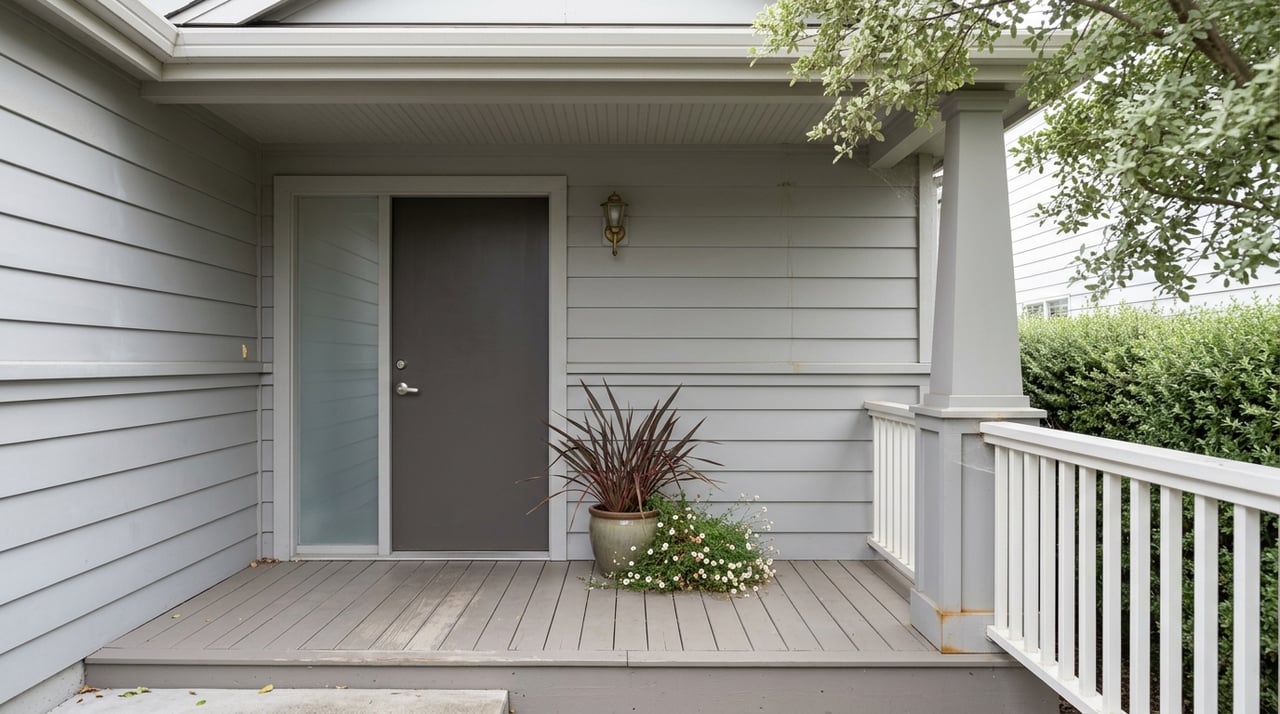
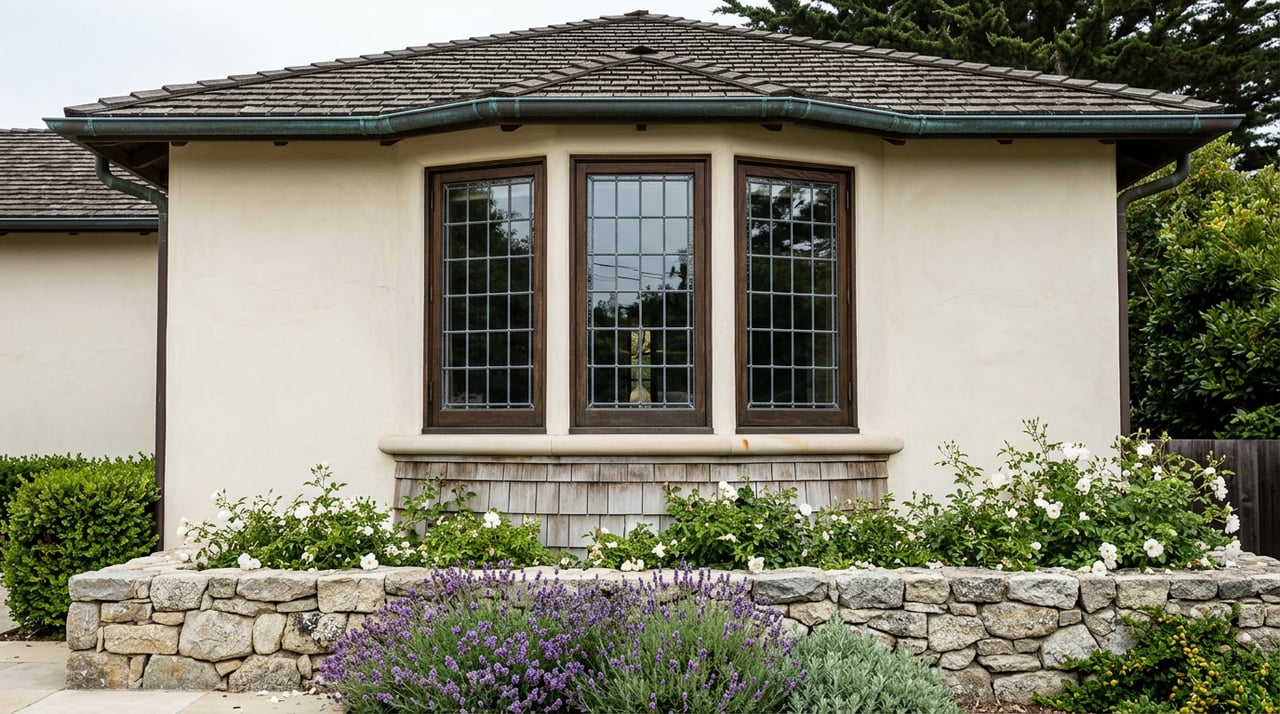
New Monterey includes many Craftsman and bungalow-era homes. Survey descriptions note features like wood sash windows, leaded glass, bands of windows, broad porches, square or battered porch supports, low-pitched roofs, exposed rafters, and wood clapboard or shingle siding.
These homes often attract buyers who appreciate original woodwork and practical layouts. If you are considering one, pay close attention to the condition of the porch, siding, roof edges, and original windows. Those elements are part of the style’s appeal and can also become important maintenance items.
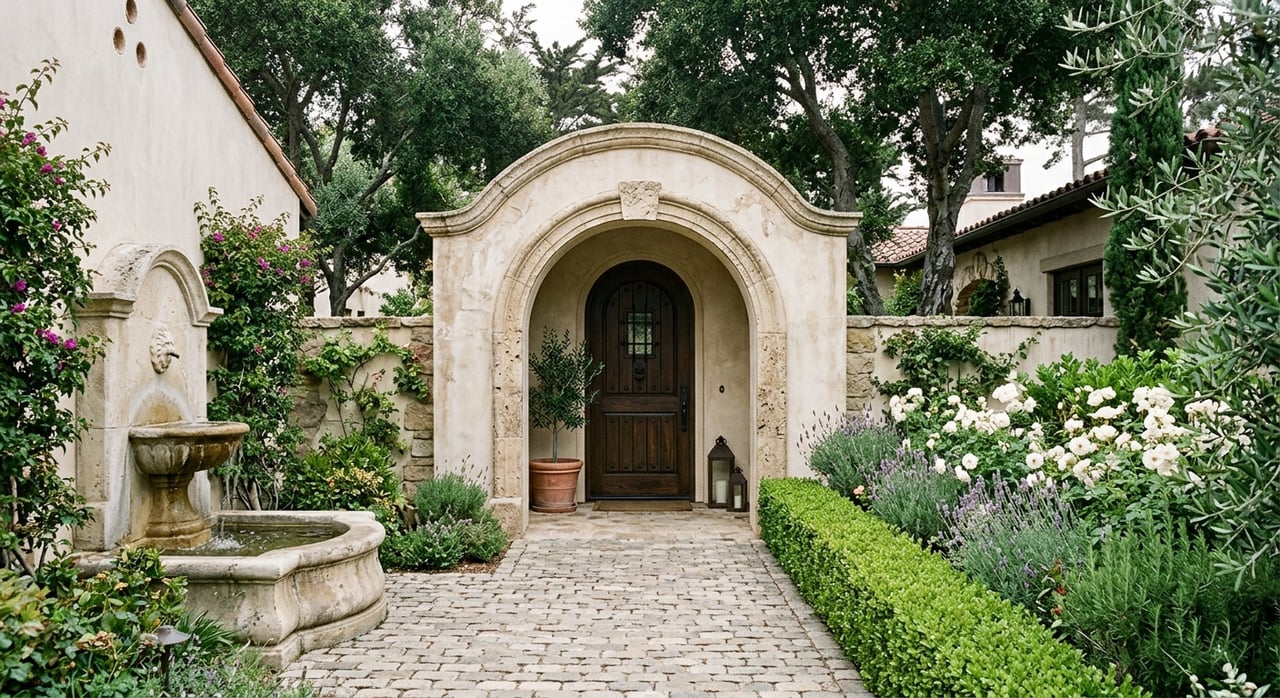
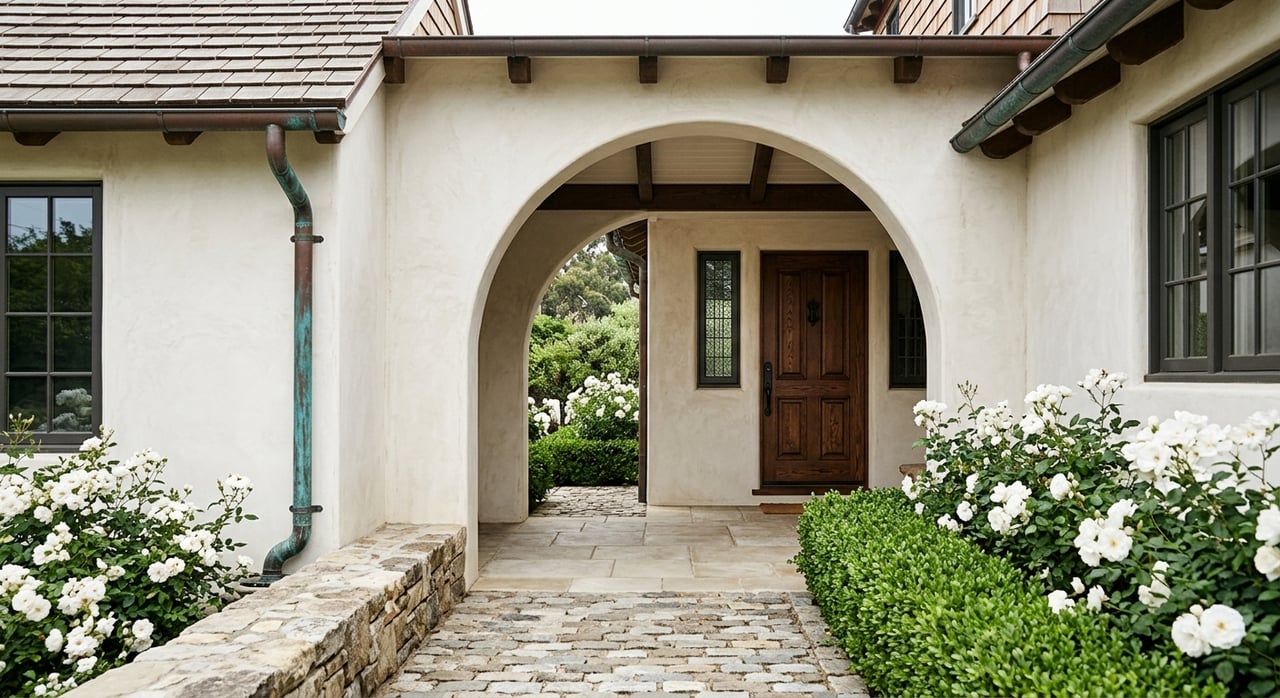
Monterey surveys also document Spanish Colonial Revival homes from the 1920s and 1930s. Common features include red tile roofs, white stucco walls, arched openings, and recessed or partial-width porches.
Many of these homes look simple at first glance, but the materials can still be costly to maintain. Stucco, tile roofing, and custom openings are part of what gives the home its character, and repairs may require more planning than a buyer expects.
By the 1940s through the 1960s, Monterey added Minimal Traditional, late modern, and mid-century examples to its housing stock. Minimal Traditional homes are described in local surveys as low-slung, unadorned stucco homes with shallow eaves and simplified porches, often moving toward ranch-style forms.
These homes are generally less ornate than earlier historic styles. Even so, their windows, exterior finishes, and original design features still matter when you start thinking about updates.
One of the biggest things to understand is that old does not always mean formally historic. Monterey distinguishes between individually significant resources and historic districts through designations such as H-1, H-2, and H-D.
City materials describe H-1 resources as the most important historic resources. H-2 covers locally important resources that may only be applied to properties meeting National or California Register criteria, and H-D refers to historic district overlays. For you as a buyer, this distinction matters because the designation can affect review requirements, project timing, and overall ownership costs.
If a home is designated, the review path for future work may be different than it would be for a non-designated property. Monterey’s current materials state that any alteration to an H-1 landmark requires a historic permit, and the city fee schedule includes separate fees for historic report review, major historic permits, and demolition review.
That means your due diligence should go beyond style and curb appeal. You should know whether the property is formally designated, whether it sits in a historic district, and whether planned changes may trigger city review.
Historic-home pricing in Monterey is best understood in two parts: purchase price and ownership costs. For broader market context, Monterey’s median sale price was $999,000 over the last three months according to Redfin, and Zillow placed the city’s average home value at $1,166,482 as of May 31, 2026.
Those figures are citywide, not specific to historic homes. Still, they show why many buyers need to plan for more than the down payment and closing costs. If you are shopping for a historic property, it is smart to budget for maintenance, investigation, and possible review expenses from the start.
City review can add real costs before renovation work even begins. Monterey’s FY27 fee schedule lists $2,454 for a historic report review, $3,720 for a major historic permit, $738 for demolition review, and $5,871 for a Mills Act request with rezone.
Those numbers may not apply to every transaction, but they are important if you are buying a designated property and planning changes. Administrative costs can affect the total budget just as much as a contractor bid or consultant fee.
Monterey’s Mills Act program can reduce property taxes for city-designated historic buildings. The city states that the contract lasts 10 years, renews annually, and remains binding on successive owners.
That can make a meaningful difference in long-term ownership costs, especially if the home was purchased recently. If a property already has a Mills Act contract, or if you may want to apply in the future, it is worth understanding that early in the process because it can shape the economics of the purchase.
Buyers sometimes hear about the federal Historic Rehabilitation Tax Credit and assume it applies broadly. In practice, the 20% credit is for certified historic structures used in a business or other income-producing capacity.
For most owner-occupied homes, that generally means it does not apply. If you are buying a primary residence, do not assume that a federal historic tax credit will offset your renovation budget.
The biggest financial risk with many historic homes is deferred maintenance. Preservation guidance emphasizes starting with protection and maintenance, minimizing impacts to historic materials during weatherization, and paying close attention to moisture control.
In Monterey, that often means taking a hard look at roofs, gutters, stucco or plaster, windows, siding, crawlspaces, and ventilation. Wood-damaging pests can also be a concern in older homes, which makes early inspections and preventive planning especially important.
Before you move forward on a historic property, it helps to get clear answers to a few practical questions.
Monterey’s house history guide recommends checking the city property jacket, county assessor information, historic surveys, and Sanborn maps to confirm age and building history. Permit history can also reveal whether past work was properly documented.
If you are already thinking ahead to renovations, your next set of questions should focus on the home’s character-defining features and likely review triggers.
The answer often depends on the style of the house. In Monterey Colonial homes, balconies, thick walls, and roof forms may matter most. In Craftsman homes, eaves, porch supports, and wood windows often stand out. In Spanish Colonial homes, stucco, tile roofs, and arched openings may receive the most attention.
Historic homes can be rewarding to own, but they ask more of you than a standard resale property. You are not just evaluating square footage and finish level. You are also weighing designation status, building history, materials, future review requirements, and upkeep planning.
That is why local context matters so much in Monterey. A home that is simply older may offer more flexibility than one with formal historic designation, and understanding that difference early can help you make a more confident decision.
If you are considering a historic home in Monterey, working with a local team that understands Peninsula housing stock, due diligence, and timing can make the process feel far more manageable. If you want thoughtful guidance tailored to your goals, connect with Maria Finkle for local insight and high-touch support.
Stay up to date on the latest real estate trends.
Our team is renowned in the Real Estate community for consistently going the extra mile throughout every transaction. With a deep and unwavering passion for the industry and our clients, they take immense pride in exceeding client expectations. Their expanding customer base stands as a testament to their relentless focus on fulfilling client wants and needs, always putting them at the forefront of every endeavor.