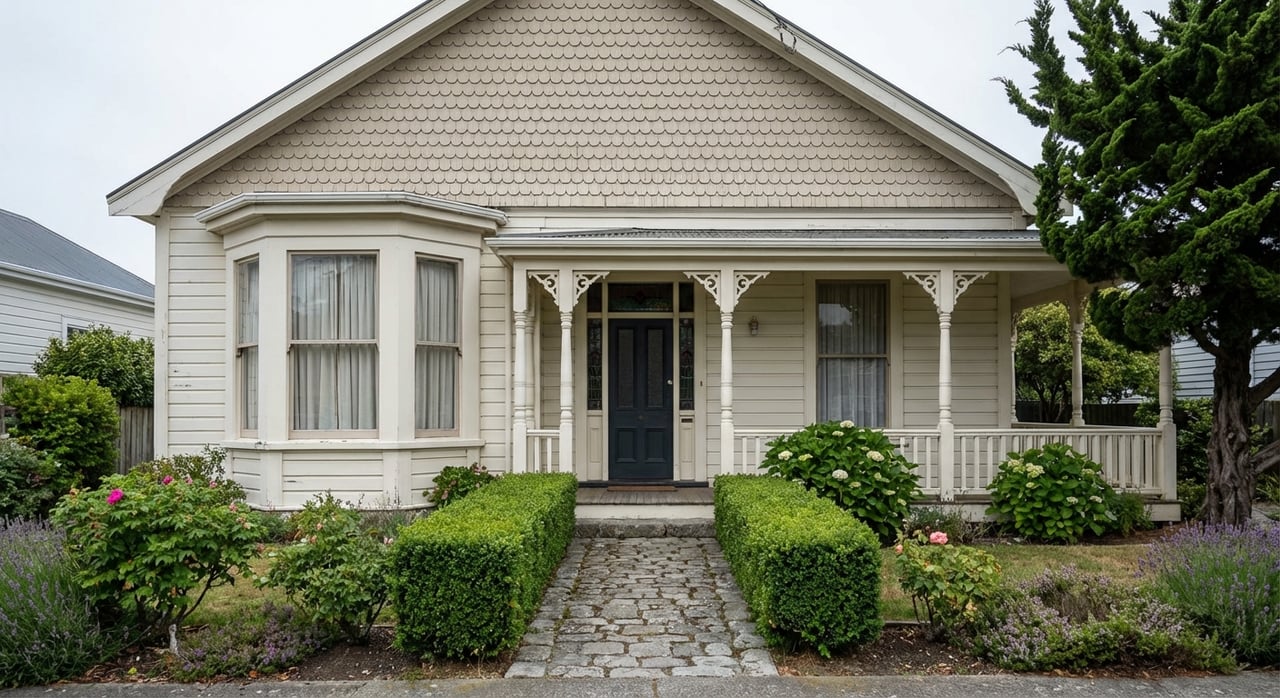
Living in a Pacific Grove Victorian: Charm, Costs & Tradeoffs
February 19, 2026
February 19, 2026
Have you fallen for a gingerbread-trim porch and sunlit bay windows in Pacific Grove, then wondered what it really takes to own one? You are not alone. Victorian homes here offer daily beauty and a strong sense of place, yet they come with unique rules, upkeep needs, and budget realities. In this guide, you will learn what life in a Pacific Grove Victorian feels like, the tradeoffs to expect, typical maintenance costs, energy upgrade paths, and the key checks to complete before you buy or sell. Let’s dive in.
Living in a Pacific Grove Victorian means morning walks on compact, walkable streets, quick access to the Monterey Bay Coastal Recreation Trail, and weekend time at the Monarch Butterfly Sanctuary and downtown shops. The community’s historic identity is part of your routine, from neighborhood plaques to seasonal events. If you are curious about local natural history and the Monarch story, the Pacific Grove Museum of Natural History is a helpful hub. Beaches, tidepools, and the Point Pinos Lighthouse shape a calm, outdoor-centered rhythm that rewards slow, local living.
Pacific Grove home values sit in the mid to high seven figures for many properties, with recent snapshots placing the median sale price roughly around $1.5 million to $1.6 million. Use that as a baseline when you plan long-term ownership costs. Older homes often need additional inspections, maintenance, and system upgrades compared to newer builds. If you budget with those realities in mind, the charm and day-to-day lifestyle can outweigh the extra care these homes require.
Before you plan exterior work, find out if the home is on the City’s Historic Resources Inventory. The City’s Historic Resources Committee reviews many exterior changes to recognized historic properties, and some designs may require public hearings. The municipal code outlines procedures, review triggers, and routine maintenance exemptions. You can review the City’s process and standards within the Pacific Grove Municipal Code, Historic Preservation section.
Painting and like-for-like repair of wood siding or trim is often exempt if it is truly in-kind. Replacing character-defining features, changing window types, building additions, or demolishing parts of a structure typically needs permits or a historic preservation permit. Always confirm status and required reviews early so you can plan design, timelines, and budgets with confidence.
Victorians reward you with beautiful millwork, inviting porches, and period details. The tradeoff is more frequent maintenance and occasional bigger projects.
Wood siding and trim in a coastal climate need regular care. Most homes need repainting and trim maintenance every 5 to 12 years depending on prep and paint quality. Typical exterior paint pricing ranges about $1.50 to $4.00 per square foot of exterior surface, with full-house jobs often falling in the $2,000 to $10,000 band for small to medium homes. Expect the top end of national ranges in a high-cost coastal market, and plan for periodic small wood repairs to prevent rot.
Older or complex rooflines, dormers, and multiple valleys can raise both inspection and replacement costs. Asphalt shingles typically last 20 to 30 years, while metal, slate, clay, or premium wood shingles last longer and cost more to replace. A full roof replacement often lands in the low to mid or high five figures depending on material and complexity. For a deeper cost overview, see this roof replacement cost guide, then get local quotes.
Victorians can hide legacy systems such as knob-and-tube wiring or early cloth-insulated runs. Lenders and insurers may require updates. A panel upgrade often runs in the low thousands, while partial or full rewires can range from several thousand up to tens of thousands depending on access and home size. For a reference point on panel costs, review this electrical panel upgrade cost summary, then have a licensed electrician evaluate your specific home.
Older foundations and coastal soils can lead to settling, moisture, or termite issues. If you see sloping floors, sticking doors, or damp crawl spaces, bring in a structural specialist. Along with your standard home inspection, budget for a pest inspection, roof review, sewer scope, and targeted structural opinions. These add modest fees but often prevent costly surprises, which is why a buyer’s inspection guide recommends going beyond the basics for older homes.
Windows are a defining Victorian feature. A repair-first approach often preserves character and performs well. The National Park Service notes that repairing historic sash, adding quality storm windows, and weather-stripping can deliver strong lifecycle value without losing original details. Explore their guidance on weatherizing historic windows and doors before considering wholesale replacement.
Older homes often have weak points such as minimal insulation, leaky air barriers, single-pane windows, and older furnaces or water heaters. You can modernize thoughtfully while keeping character intact.
Start in the attic and crawl space. Air sealing plus attic insulation is relatively low cost and often improves comfort right away. This work can also downsize your heating and cooling needs so later HVAC investments go further. Ask contractors about sequencing so you do not overspend on equipment.
Air-source heat pumps provide efficient heating and cooling in one system. Costs vary widely by home, ductwork, and layout. Recent market analyses show whole-home installations often average in the mid five figures in many regions after incentives, while small ductless systems can be much lower and full retrofits can be higher. Use this heat pump buyer’s overview for context, then get local bids. Heat pump water heaters are another strong value play, especially when paired with time-of-use rates.
Local incentives change often. Monterey Bay Community Power is the regional community-choice energy provider that communicates program options and rate guidance for electrification decisions. Check their program FAQs for current offerings and how they work with your PG&E service. For a broader scan of regional or state-level rebates, use this sustainability funding database. Confirm reservation rules and contractor participation before you commit.
Solar can be a smart modernization if your roof is in good condition and has favorable orientation. If the home is recognized as historic, coordinate early with design review to ensure a compliant roof plan, especially for street-facing elevations. Pairing solar with storage can support resilience during outages, yet roof condition and permitting often set the timeline.
Check whether the property lies in a mapped FEMA flood zone. If a home is in a high-risk zone, flood insurance may be required for federally backed loans and it will affect carrying costs. Learn about flood maps and policies at the FEMA Flood Map Service Center. Even outside mapped zones, coastal drainage and sea-level exposure can shape future planning. Review local coastal program updates and vulnerability studies when you evaluate long-term risk.
Pacific Grove is in a seismically active region. Ask your inspector or a structural engineer about bolt-and-brace retrofits, cripple wall bracing, and chimney reinforcement. Regional hazard mapping and county shake studies can help you understand relative risk so you plan upgrades wisely.
Insurers price policies based on replacement cost, roof age, electrical and plumbing condition, and local hazards. Start quotes early, and ask about replacement cost coverage, endorsements for historic features, and options for flood or earthquake coverage. In some cases, insurers may want proof of electrical or roofing updates before underwriting standard coverage.
Use this quick path to make a Victorian purchase or sale smoother:
Owning a Pacific Grove Victorian is about embracing character and history while making smart, phased investments that fit a coastal environment. When you understand the review rules, plan for the common maintenance cycles, and tap the right incentives, you get the best of both worlds: timeless architecture and comfortable, efficient living.
If you are considering buying or selling a Victorian on the Monterey Peninsula, our boutique team coordinates inspections, vendor estimates, and strategy so you can move forward with clarity. Start the conversation with Maria Finkle and request your complimentary home valuation.
Stay up to date on the latest real estate trends.
Our team is renowned in the Real Estate community for consistently going the extra mile throughout every transaction. With a deep and unwavering passion for the industry and our clients, they take immense pride in exceeding client expectations. Their expanding customer base stands as a testament to their relentless focus on fulfilling client wants and needs, always putting them at the forefront of every endeavor.