Carmel Highlands Ocean-View Homes: Oceanfront vs Hillside
April 2, 2026
April 2, 2026
If you are drawn to Carmel Highlands, one big question usually comes up fast: do you want to live right on the ocean, or would an elevated hillside setting fit you better? Both can be stunning, but they offer very different day-to-day experiences, upkeep needs, and price points. If you are weighing the tradeoffs, this guide will help you compare the lifestyle, maintenance, and long-term considerations that matter most. Let’s dive in.
Before comparing property types, it helps to understand the setting itself. Official planning records place Carmel Highlands about 2.7 miles south of Carmel-by-the-Sea, with the Pacific Ocean immediately to the west and Highway 1 to the east, in a low-density coastal residential area with steep terrain and coastal-zone oversight. According to official county and CEQA records, the landscape is defined by cliffside topography, bluff edges, and a strong relationship to the shoreline.
The climate also shapes how homes feel and perform here. NOAA normals cited in the same planning materials show a mild marine climate, with an annual mean temperature of 55.9°F and about 17.11 inches of annual precipitation. January is much wetter than summer, while July averages just 0.02 inches of rain, which helps explain the seasonal rhythm of the area.
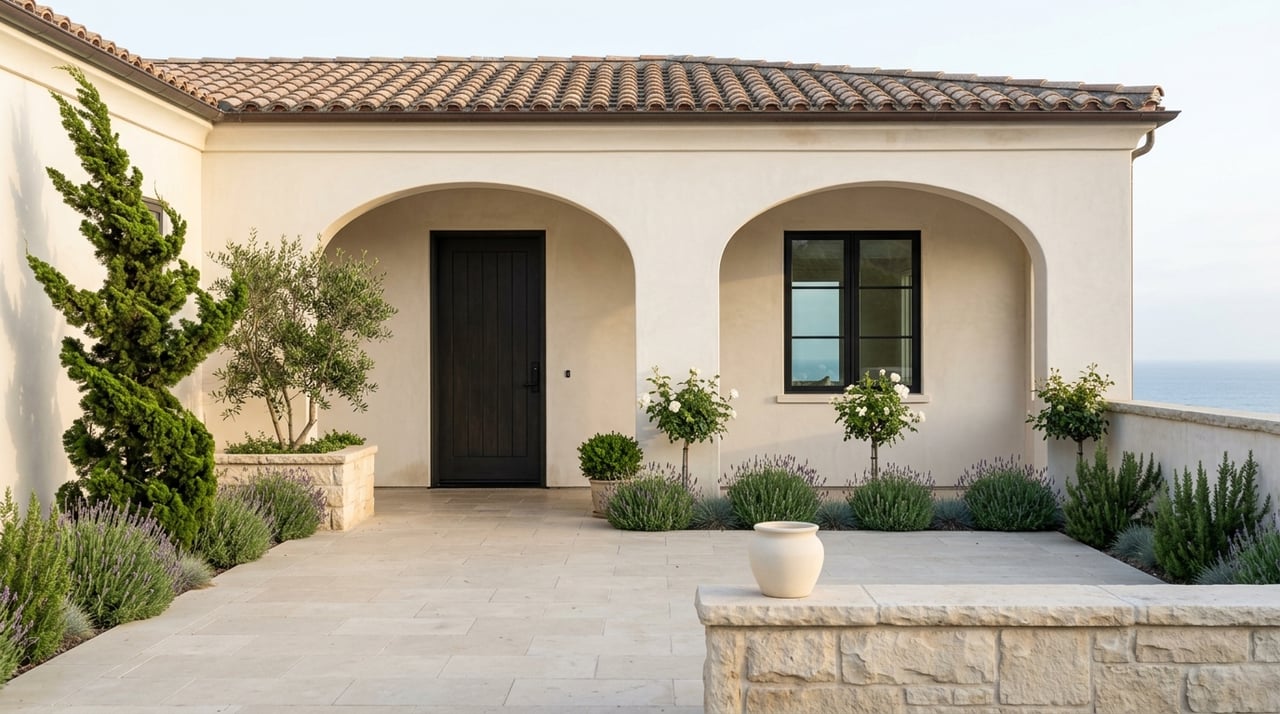
Oceanfront living in Carmel Highlands is about immediacy. You are not just seeing the water from a distance. You are living beside surf, coves, and the shoreline edge itself. That direct connection is a big reason true oceanfront properties are so rare and so highly valued.
Current listing examples in the area show just how exclusive this category can be. Zillow’s Carmel Highlands inventory includes a $12.5 million oceanfront residence on Yankee Point, while the report also notes a Spindrift compound listed at $91.35 million with nearly 1,000 feet of private oceanfront coastline. Those examples are not meant to set a rule for every property, but they do show how direct frontage can command a premium.
For many buyers, the appeal is emotional as much as practical. The setting can feel dramatic, immersive, and hard to replicate anywhere else on the Peninsula.
Hillside homes often offer a different kind of coastal lifestyle. Instead of direct shoreline contact, you may get broader outlooks, more separation from the water, and a more buffered setting. That can create a sense of privacy while still preserving meaningful ocean or panorama views.
The research report points to a Hillside Lane example estimated around $2.29 million and described as an end unit with privacy and nice views. In another Carmel Highlands project review, planners noted a residence that was shifted inland from the bluff onto a flatter part of the site and screened by trees, which shows how topography and landscaping can shape both privacy and the view corridor.
If you want coastal scenery without being directly on the bluff edge, hillside living can be a very attractive middle ground.
The best choice often comes down to how you want the home to feel when you live there every day. Oceanfront homes tend to deliver a front-row coastal experience. Hillside homes often feel more sheltered, layered, and private.
Neither option is automatically better. Instead, the right fit depends on what you value most, whether that is immediate shoreline access, lower exposure, stronger privacy, or a more flexible budget.
| Feature | Oceanfront | Hillside |
|---|---|---|
| Relationship to water | Direct shoreline proximity | Elevated or setback views |
| Privacy feel | Varies by parcel and access | Often enhanced by terrain and trees |
| Exposure | Higher marine and wave-related exposure | Lower salt exposure, but site-specific slope concerns |
| Typical pricing signal | Often highest premium | Wide range, often below direct oceanfront |
| Maintenance focus | Corrosion, bluff, drainage, shoreline conditions | Slope, access, vegetation, drainage |
One of the clearest differences between oceanfront and hillside ownership is upkeep. According to the California Coastal Commission’s sea level rise science guidance, sea level rise can increase flooding, inundation, wave impacts, coastal erosion, and saltwater intrusion. The same guidance notes that coastal bluffs and cliffs are among the landforms most affected.
For oceanfront homes, that often means paying closer attention to exterior wear, bluff conditions, drainage, and the effects of marine air over time. FEMA coastal guidance cited in the research also notes that salt spray is strongest near breaking waves and declines inland, while coastal metal components and fasteners are vulnerable to corrosion. In practical terms, oceanfront ownership often calls for more durable materials and more frequent exterior maintenance.
Hillside homes are usually less exposed to salt spray, but that does not mean they are maintenance-free. Carmel Highlands still requires site-specific attention to access, slope, drainage, and vegetation. A 2018 Carmel Highlands fire-defense-plan filing highlights the role of fuel breaks, fire roads, and vegetation maintenance, which is especially relevant for elevated or more natural sites.
When you compare these two settings, it helps to think in terms of different risk profiles rather than a simple safer-or-riskier answer. Oceanfront homes generally carry more direct exposure to erosion, wave action, and sea-level-rise effects. Hillside properties often shift the conversation toward slope conditions, drainage patterns, access, retaining structures, and vegetation management.
That difference matters when you evaluate a home over the long term. A property can be beautiful and still require careful planning around its site conditions. In Carmel Highlands, understanding the land is just as important as understanding the house itself.
Pricing signals in Carmel Highlands are wide, and the research report makes clear that there is no single rule of thumb. Current inventory on Zillow’s neighborhood page shows a broad spread, from smaller lots and less-fronted homes in lower price tiers to ultra-premium oceanfront estates at the top of the market. Frontage, lot size, privacy, and rarity all influence value.
The report also identifies a useful middle ground for buyers who want strong water views without paying true oceanfront pricing. For example, 161 Carmel Riviera Drive sold for $2.85 million and was marketed as an ocean-view property in Yankee Point. That kind of sale suggests elevated parcels can sometimes deliver compelling views at a materially lower price than direct frontage.
If you are deciding between property types, it helps to compare not just the list price, but also what each location gives you in daily use, maintenance exposure, and future flexibility.
Oceanfront living may be the stronger fit if you want the most direct relationship to the Pacific and are comfortable with the maintenance and exposure that often come with it. The setting can be extraordinary, and for some buyers there is simply no substitute for true frontage.
Hillside living may make more sense if you want coastal views, a more buffered environment, and often a lower entry point than prime oceanfront. Depending on the parcel, you may also gain more screening and a more tucked-away feel.
The key is matching the property to your priorities, not just the postcard image. In Carmel Highlands, the best purchase is usually the one that balances scenery, privacy, upkeep, and long-term comfort in a way that fits your goals.
If you are exploring Carmel Highlands and want local guidance on how these property types compare in real life, Maria Finkle can help you evaluate the tradeoffs with a Peninsula-focused, high-touch approach.
Stay up to date on the latest real estate trends.
Our team is renowned in the Real Estate community for consistently going the extra mile throughout every transaction. With a deep and unwavering passion for the industry and our clients, they take immense pride in exceeding client expectations. Their expanding customer base stands as a testament to their relentless focus on fulfilling client wants and needs, always putting them at the forefront of every endeavor.