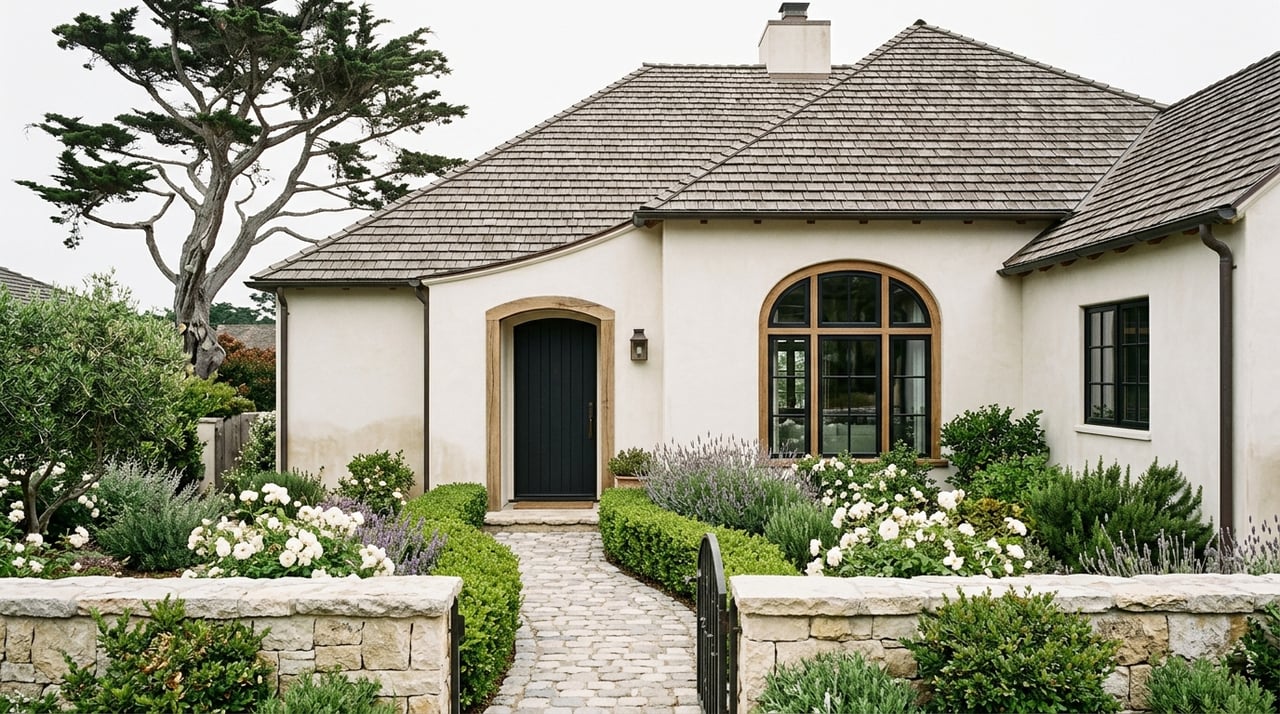
Relocating to the Monterey Peninsula: Comparing Each Area
April 23, 2026
April 23, 2026
Thinking about a move to the Monterey Peninsula? The challenge is that places here can feel very different from one another, even when they are only a short drive apart. If you are trying to figure out where your lifestyle, budget, and home preferences line up, this guide will help you compare the Peninsula’s key areas with more clarity. Let’s dive in.
The Monterey Peninsula is not one uniform housing market. It works more like a group of compact micro-markets, each with its own mix of climate, home styles, pricing, and day-to-day feel.
According to Monterey County, coastal areas generally have a Mediterranean-like climate with moderate temperatures, while inland areas are typically warmer, drier, and more extreme. That difference helps explain why Carmel Valley feels distinct from Monterey or Pacific Grove, even though they are all part of the same broader Peninsula.
In simple terms, most buyers are weighing four things here: coastal proximity, lot size, historic character, and price. The closer you get to the shoreline and village-style communities, the more likely you are to see higher price points and tighter inventory. As you move toward inland or more growth-oriented areas, you may find more space or a lower entry point.
Monterey is often the practical center of the Peninsula. It is the historic and administrative hub, with about 29,116 residents and well-known landmarks including Cannery Row, Fisherman’s Wharf, and the Monterey Bay Aquarium, according to a City of Monterey annual report.
From a housing perspective, Monterey offers a broader mix than some neighboring communities. Current market data shows a median home sale price of about $1.12 million, with 97 homes for sale and a median of 41 days on market.
That mix matters if you are relocating and want options. Monterey includes older coastal housing, hillside neighborhoods, and more conventional residential pockets, making it a strong fit if you want Peninsula access and historic context without going straight to the price levels of Carmel-by-the-Sea or Pebble Beach.
Pacific Grove is one of the clearest examples of a small coastal town feel on the Peninsula. The Pacific Grove Chamber describes it as a walkable seaside town with Victorian character, while city materials note a population of roughly 15,000 and more than 1,300 historic homes and structures built before 1926.
For many buyers, the appeal is easy to understand. You get strong historic character, a compact setting, and a coastal location that carries a premium in the market.
That premium shows up in the numbers. Realtor.com market data lists Pacific Grove with a median listing price of around $1.35 million, 45 homes for sale, and a 99% sale-to-list ratio.
If you are drawn to older cottages, preserved architecture, and a walkable village-like environment, Pacific Grove often lands high on the list.
If your goal is to get onto the Peninsula at a lower price point, Seaside is one of the first places to look. The city describes itself as a coastal community with a Fort Ord legacy, and its redevelopment efforts continue to reshape former base land through projects such as Campus Town, according to city demographics and redevelopment information.
Seaside tends to stand out for value. Current market data shows a median listing price of about $854,500, with homes averaging 34 days on market.
That makes Seaside important for relocating buyers who want to stay close to Monterey, Pacific Grove, and the coast while keeping a tighter budget. It is one of the clearest lower-cost entry points on the Peninsula.
Marina is also one of the more value-focused Peninsula cities, but it often feels a bit more development-oriented than Seaside. The city points to its diverse community, Fort Ord history, and ongoing projects such as Marina Station, where planned housing types range from cottages and small-lot homes to apartments.
This creates a different housing profile. Marina often attracts buyers who want newer neighborhoods, mixed housing options, and a community with room for future buildout.
Market data for Marina shows a median listing price around $894,000, with 98 homes for sale and a 40-day median on market. If you want a lower Peninsula entry point with a more suburban and planned-growth feel, Marina is worth a close look.
Carmel-by-the-Sea is one of the Peninsula’s most recognizable communities, and it occupies a very specific niche. The city describes a one-square-mile, built-out community with a white-sand beach, an urban forest, and a walkable downtown with a strong architectural identity, according to city materials.
This is not just a higher-priced market. It is also a highly constrained one, where the village atmosphere and design-focused housing are part of the value.
Current market figures place Carmel-by-the-Sea around a $4.19 million median home price, with a 130-day median on market. If you are looking for a low-density, highly walkable luxury setting with strong architectural character, Carmel-by-the-Sea stands in a category of its own.
Carmel Valley is the inland counterpoint to the Peninsula’s coastal communities. Monterey County describes it as primarily rural residential with strong scenic values, and county library materials note that the valley stretches about 15 miles from Cahoon Ranch to Carmel Bay, as outlined in county documents.
Because it sits inland, Carmel Valley generally feels warmer and less influenced by the marine layer than shoreline towns. That shift in climate is often a major factor for relocating buyers.
The housing profile also changes. Current market data shows a median listing price around $1.75 million and a 130-day median on market. Buyers often look here when they want larger lots, more privacy, and a more spread-out lifestyle than they would find in Carmel-by-the-Sea or Pacific Grove.
Pebble Beach is another unincorporated county area, but its identity is very different from Carmel Valley. Monterey County Sheriff materials place it within the unincorporated coastal patrol area, while Pebble Beach is widely associated with 17-Mile Drive, golf, private clubs, and low-density residential planning, according to county sheriff information.
For relocation purposes, Pebble Beach is best understood as a luxury enclave where privacy and exclusivity are central to the appeal. It offers a more resort-oriented experience than most other Peninsula communities.
Market data currently places Pebble Beach around the low-$3 million range for median listing price, with relatively tight supply. If your priorities include golf-oriented living, low-density surroundings, and a high-end coastal address, Pebble Beach is often a top contender.
If you want a quick way to compare the areas, the current broad pricing ladder looks like this:
These figures can shift by neighborhood, property type, and timing, but the overall pattern is consistent across the Peninsula. Lower-priced entry points are usually in Seaside and Marina, while Carmel-by-the-Sea and Pebble Beach sit at the top of the luxury ladder.
The right place depends on what matters most to you day to day. If you want village character and walkability, Pacific Grove and Carmel-by-the-Sea are often the clearest matches. If you want a more central mix of history, housing variety, and access, Monterey tends to be a strong middle ground.
If your focus is budget and Peninsula access, Seaside and Marina usually offer the easiest entry points. If you want more space, privacy, or a less coastal daily feel, Carmel Valley may make more sense.
For luxury buyers, the biggest distinction is often this: Carmel-by-the-Sea leans village-like and architecture-driven, while Pebble Beach leans resort-oriented, private, and golf-centered. Those differences may sound subtle at first, but they can shape your experience in a major way once you live here.
Relocating to the Monterey Peninsula is not just about picking a city on a map. It is about matching your budget, lifestyle, and long-term goals to a micro-market that truly fits. If you want help comparing neighborhoods, narrowing your search, or planning a move with local insight, connect with Maria Finkle.
Stay up to date on the latest real estate trends.
Our team is renowned in the Real Estate community for consistently going the extra mile throughout every transaction. With a deep and unwavering passion for the industry and our clients, they take immense pride in exceeding client expectations. Their expanding customer base stands as a testament to their relentless focus on fulfilling client wants and needs, always putting them at the forefront of every endeavor.