Your Pebble Beach Neighborhoods Guide to Golf, Ocean & Forest Homes
February 5, 2026
February 5, 2026
Picture yourself choosing between three extraordinary backdrops for daily life: waves rolling in along 17‑Mile Drive, emerald fairways outside your patio, or the quiet hush of cypress and pine. If you are weighing neighborhoods in Pebble Beach, the choices are exciting but the details can feel complex. You want clarity on lifestyle, value, and long‑term risks so you can buy with confidence. This guide breaks down oceanfront, golf‑course, and forest homes in Pebble Beach, with practical tips to help you find your best fit. Let’s dive in.
Pebble Beach sits within the Del Monte Forest on the Monterey Peninsula, neighboring Carmel‑by‑the‑Sea, Pacific Grove and Monterey. Locals often view the area through three micro‑areas: the oceanfront and coastal edge, golf‑course neighborhoods, and the interior forest. Each pocket offers its own character, pricing, and daily rhythm.
Community life is shaped by a few key players. Pebble Beach Company operates the world‑famous courses and resort amenities along 17‑Mile Drive. Monterey County and the California Coastal Commission guide coastal development and setbacks. The Pebble Beach Community Services District provides utilities and services, and some properties include private CC&Rs, design review, or association fees.
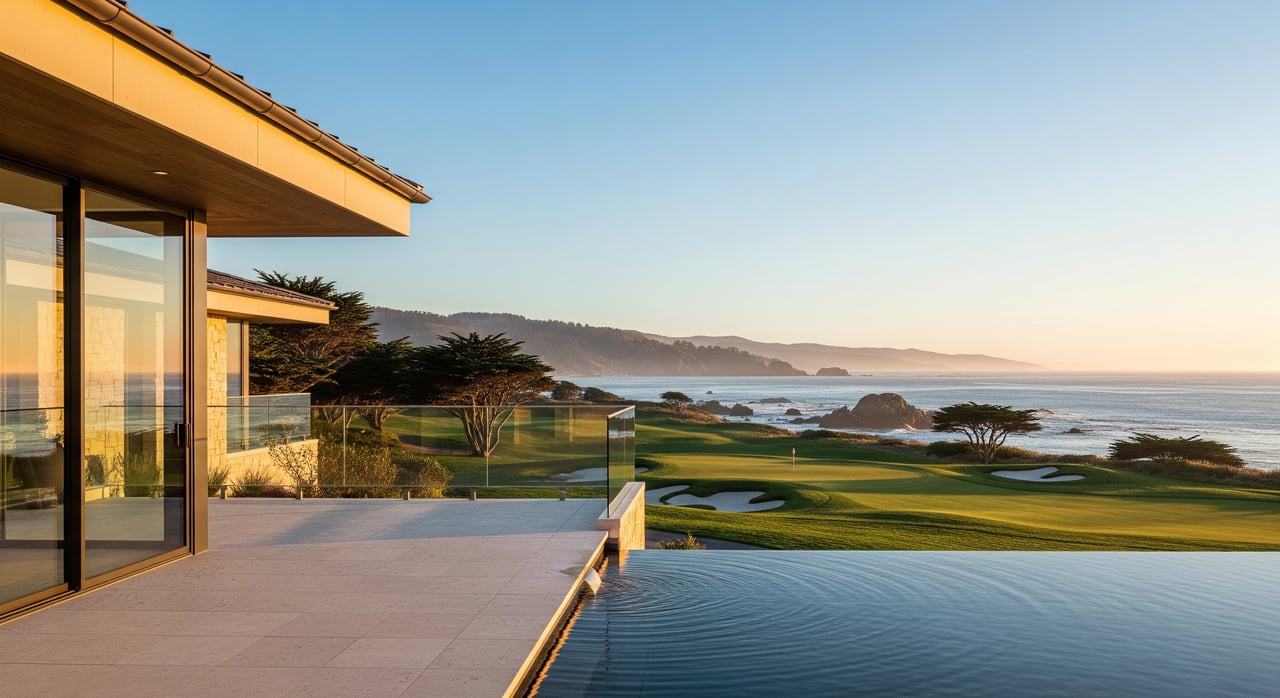
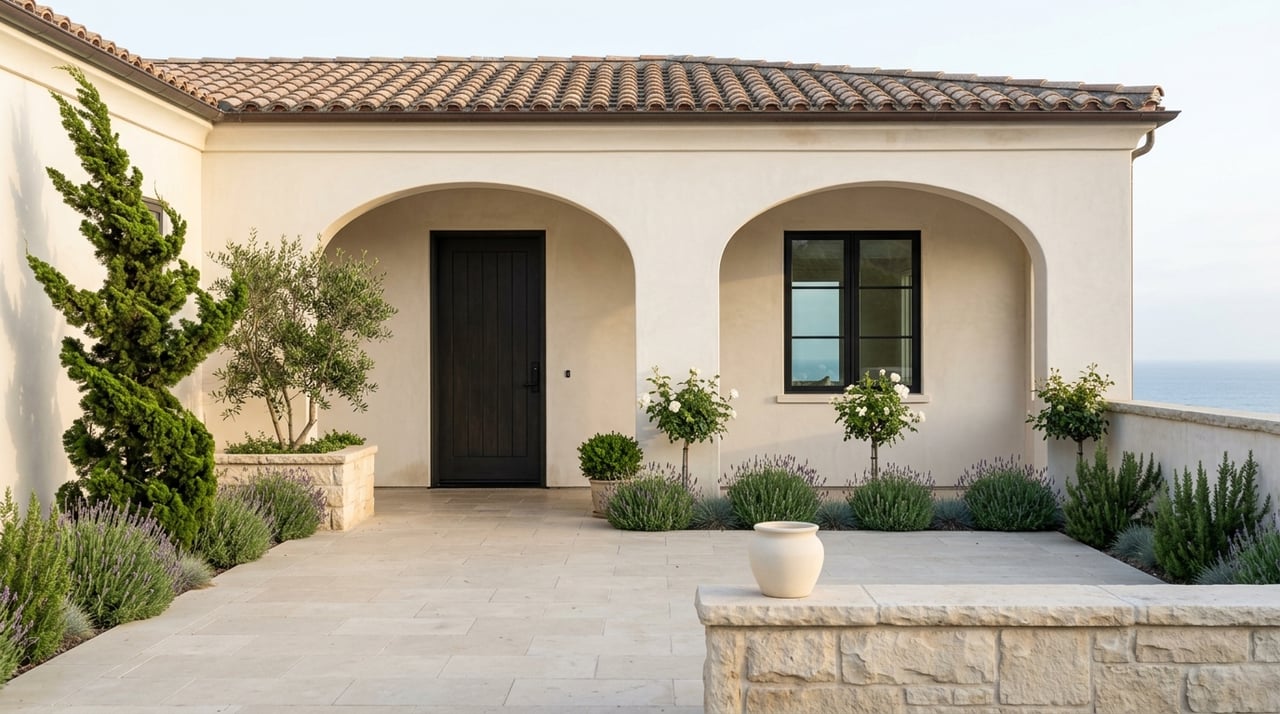
Oceanfront and coastal‑edge properties sit on or overlook the Pacific and 17‑Mile Drive. You get unmatched views, coastal access, and proximity to The Lodge and Spanish Bay amenities. You should expect more public activity nearby, though privacy varies by lot.
Large, estate‑scale parcels are common. Architecture ranges from Mediterranean and Spanish Revival to coastal contemporary and custom builds oriented to views. Many homes feature expansive glass, terraces, and engineered foundations or sea walls where applicable.
Oceanfront homes anchor the top tier of Pebble Beach pricing, with ocean‑view entry points in the multi‑million range and direct oceanfront commanding significant premiums. Value leans on five factors: view quality, lot size and privacy, proximity to resort amenities, architectural caliber, and limited supply.
You should account for coastal erosion, sea‑level rise, and more complex permitting. Insurance and maintenance often run higher due to salt air and storm exposure. Prioritize detailed inspections of foundations, sea walls, drainage, and any bluff or slope stability. Review Coastal Commission history, local permitting, and CC&Rs before you commit.
Golf‑course neighborhoods integrate with Pebble Beach Golf Links, Spyglass Hill and Spanish Bay. If you love golf and easy access to dining and events, this is a strong match. Activity can spike during tournament weeks, but many residents enjoy the energy and convenience.
You will find everything from single‑level homes and townhouses to custom estates with fairway views. Lot sizes vary more than in oceanfront or forest pockets, with a mix of smaller infill parcels and larger properties.
These homes are high‑end yet often trade below oceanfront peaks. Direct fairway views and ties to private memberships carry premiums. The best values pair attractive views with thoughtful design and privacy.
Confirm association or club costs and any rules that affect use. Expect periodic tourist flow and event‑related activity. Review CC&Rs for exterior changes and rentals, and confirm utility details and local assessments. If golf access is crucial, verify membership options and transferability.
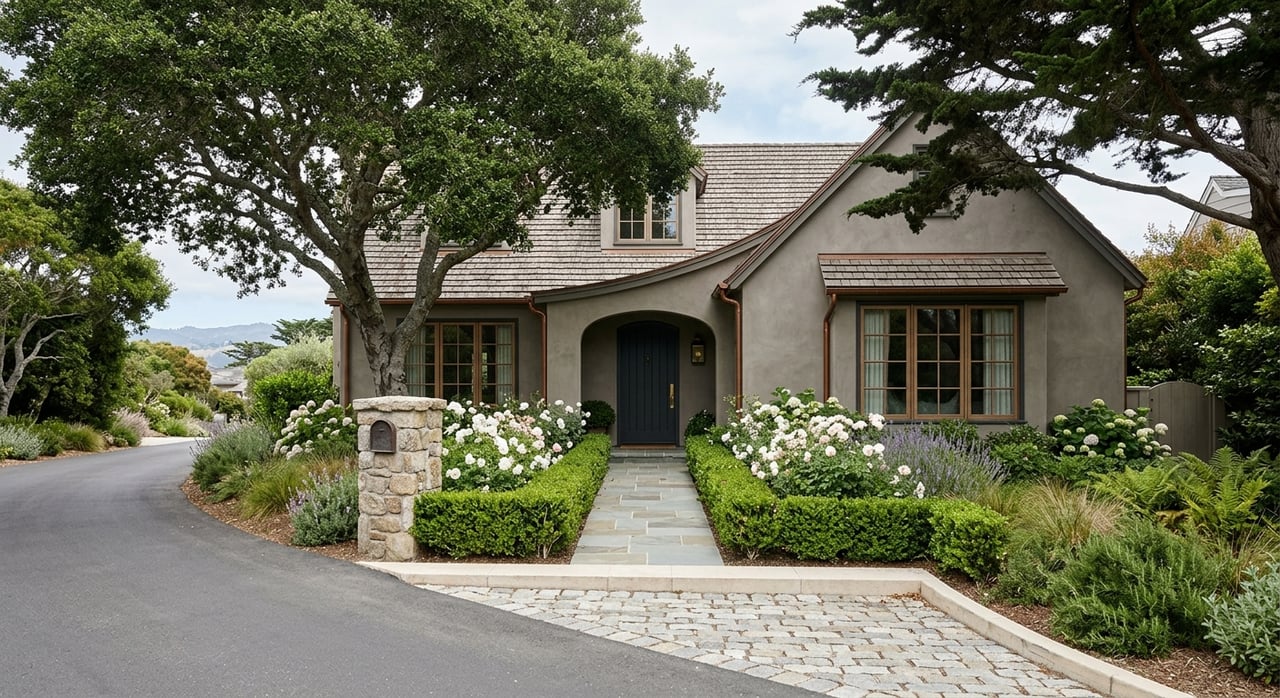
Interior Del Monte Forest neighborhoods sit under mature pines and cypress, set back from the scenic drive. Daily life is quieter and more residential. Forest trails and a sense of refuge make this a favorite for buyers who value privacy and a calmer pace.
Architecture spans mid‑century ranches, Craftsman and contemporary custom homes. Lots are often wooded and can be larger than infill golf parcels. Outdoor spaces focus on shelter, natural light and indoor‑outdoor flow.
Prices vary widely, and many forest properties offer strong value per square foot compared to the coast. Custom estates and renovated homes still trade at luxury levels. Privacy, lot size, and design quality are key value drivers.
Wildfire risk requires attention. Plan for defensible‑space work, vegetation management, and insurance verification. Some parcels may have septic or well considerations, so confirm water and sewer service with the local district and budget for tree and site care.
Owning in Pebble Beach involves recurring costs that vary by micro‑area. Build these into your plan:
Pebble Beach’s prestige, limited supply and global brand help support resilience over long holding periods. Still, appreciation varies by micro‑area and market cycle. Here is how the tradeoffs often play out:
Across all areas, inventory scarcity supports pricing at the high end of the market. Architectural distinction, construction quality and lot privacy all contribute meaningfully to value.
Ask yourself the following before you tour:
When you identify a promising home, tighten your due diligence:
The right guide helps you balance lifestyle goals with environmental and regulatory realities. A local, boutique team can connect you with trusted inspectors, geotechnical engineers, insurance brokers and permitting contacts, while positioning you to move quickly in a competitive luxury market. If you are weighing oceanfront prestige, golf‑course access, or forest privacy, connect with a local partner who knows how each pocket performs over time.
If you are ready to explore Pebble Beach neighborhoods or want a confidential second opinion, reach out to Maria Finkle for tailored guidance.
Stay up to date on the latest real estate trends.

Our team is renowned in the Real Estate community for consistently going the extra mile throughout every transaction. With a deep and unwavering passion for the industry and our clients, they take immense pride in exceeding client expectations. Their expanding customer base stands as a testament to their relentless focus on fulfilling client wants and needs, always putting them at the forefront of every endeavor.